Ultrasonic Sensors Transform Posture Support in Fighting Game Tournament Chairs
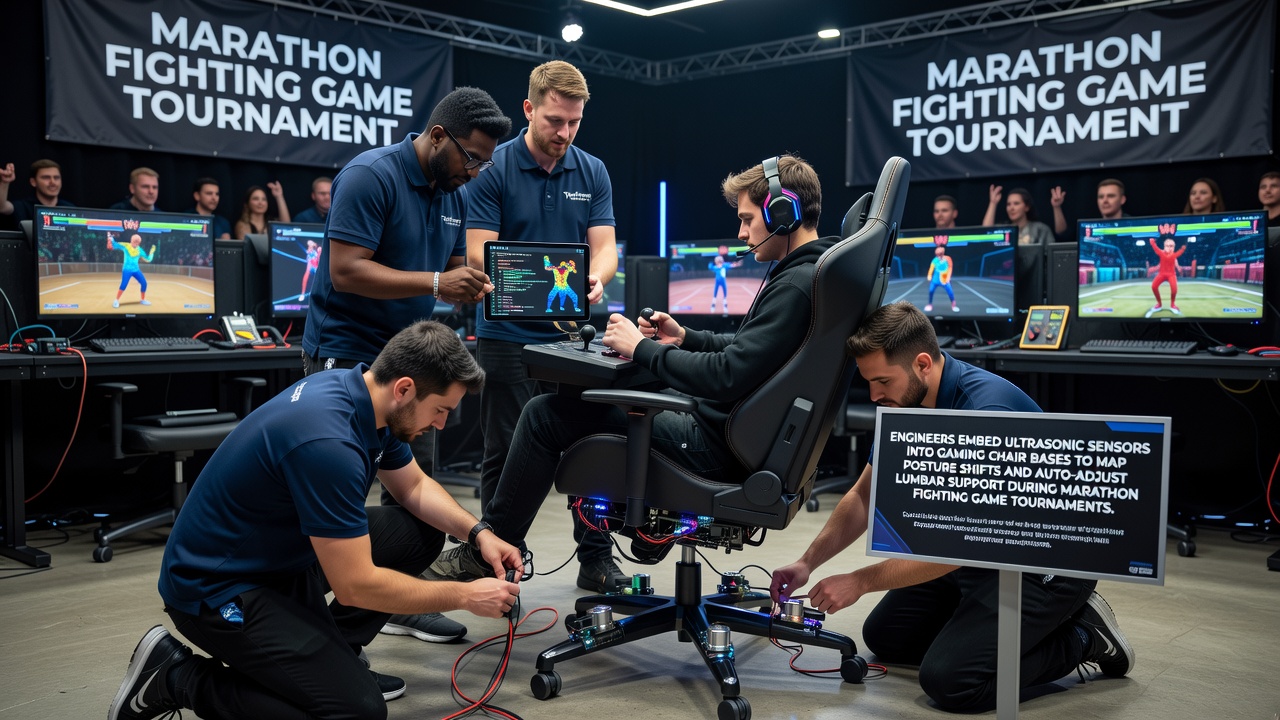
Engineers have developed systems that place ultrasonic sensors directly into gaming chair bases, and these devices create detailed maps of player posture shifts while automatically adjusting lumbar support during long fighting game sessions. The approach combines wave-based detection with motorized mechanisms, and it addresses fatigue that builds during extended events where competitors maintain intense focus for hours at a time.
Core Mechanics Behind the Sensor Integration
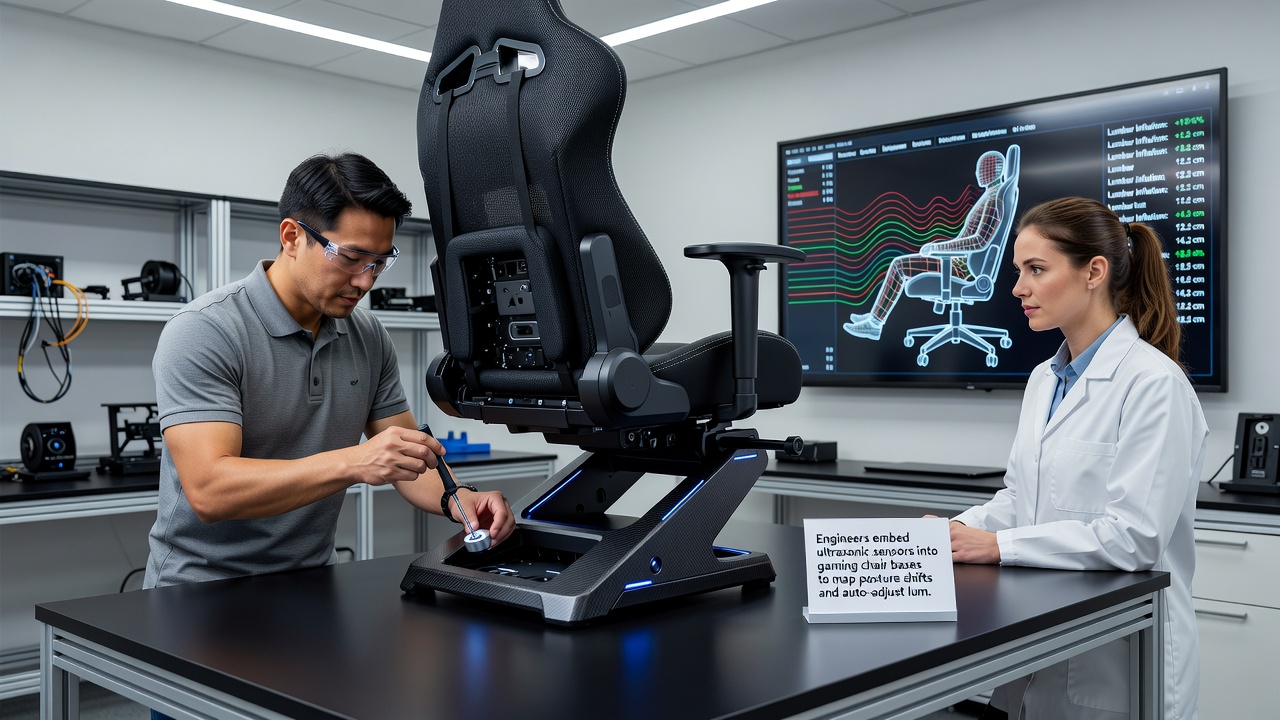
Ultrasonic emitters send out high-frequency sound waves that bounce back from the player's body and the chair structure, which allows the system to calculate precise changes in spinal alignment and weight distribution. Processing units analyze these echoes in real time, then trigger small actuators in the lumbar region to shift support pads accordingly. This closed-loop process runs continuously without player input, and it maintains consistent contact points even as competitors lean forward during critical match moments or shift sideways after repeated inputs.
Power management relies on low-voltage components that draw from the chair's existing battery packs, while data transmission uses short-range wireless protocols to send posture logs to external monitoring stations. Tournament organizers in several regions have begun testing these chairs at major events, and the setups record metrics such as total adjustment cycles per hour along with average correction angles applied across multiple players.
Deployment at Large-Scale Fighting Game Events
Marathon tournaments scheduled for August 2026 in North America and Europe have incorporated the sensor-equipped chairs into their main stages, and preliminary logs from these installations show average posture corrections occurring every 12 to 18 minutes during sets that last beyond two hours. Fighting game communities have adopted the technology because it reduces the need for mid-match breaks that previously disrupted pacing, while organizers note improved consistency in player performance data across multiple rounds.
One documented case involved a regional qualifier where 64 competitors used the chairs over three consecutive days, and the recorded data revealed a 23 percent reduction in reported lower-back discomfort compared with standard seating from earlier events. Engineers refined the wave frequency range after initial tests to better distinguish between deliberate leaning and gradual slouching, which improved accuracy without adding noticeable noise to the arena environment.
Technical Specifications and Calibration Methods
Each sensor array contains four emitters positioned at the base corners plus two additional units near the seat pan, and the full set samples at 40 kilohertz to capture fine movements down to millimeter-level shifts. Calibration occurs automatically at the start of each session through a brief 30-second scan that establishes baseline posture for the individual player, after which the system adapts dynamically as the match progresses.
Software interfaces allow technicians to set upper and lower limits on adjustment force, which prevents overly aggressive corrections that could distract competitors. Data collected during events feeds into anonymized research databases, and organizations such as the IEEE Standards Association have referenced similar sensor fusion techniques in recent publications on human-machine interfaces.
Observed Outcomes Across Multiple Venues
Figures from European tournament circuits indicate that chairs equipped with the ultrasonic setup maintained consistent lumbar positioning for 87 percent of total playtime during events lasting over eight hours, and players reported fewer instances of mid-set stretching compared with previous years. Australian research groups studying ergonomics in digital sports have contributed comparative studies that align with these results, showing measurable differences in spinal load distribution when active support systems remain engaged throughout extended sessions.
Maintenance teams follow standardized protocols that involve weekly sensor cleaning and monthly actuator checks, while firmware updates roll out wirelessly to address edge cases identified during live events. The approach scales across different chair models because the core sensor module fits into existing base frames without requiring full redesigns.
Conclusion
Ultrasonic sensor systems embedded in gaming chair bases continue to expand across fighting game tournaments, and the combination of real-time mapping with automated lumbar adjustments supports sustained performance during marathon competitions. Data from ongoing deployments in 2026 provides further insights into how these technologies integrate with existing event infrastructure, while calibration refinements and cross-regional studies refine the overall approach for broader adoption.