Silicon Carbide Components Enhance Charger Efficiency for Extended Portable Gaming Sessions
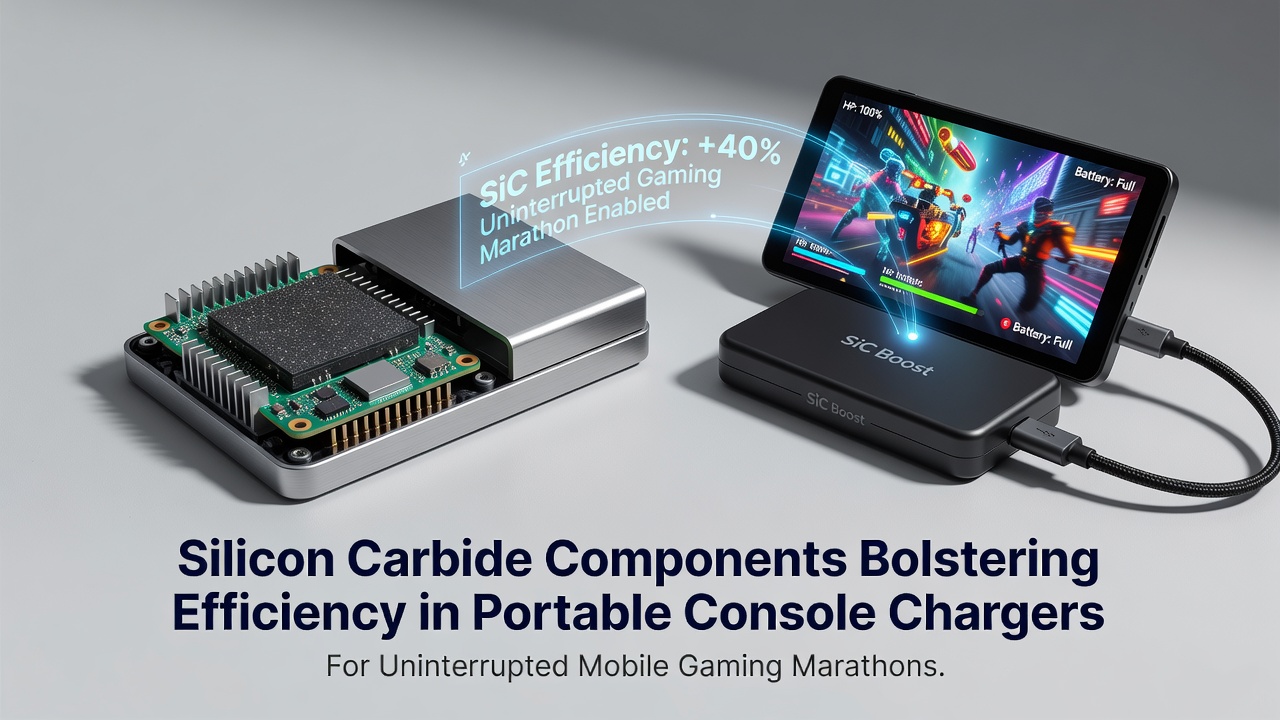
Portable console chargers have incorporated silicon carbide components to deliver higher efficiency ratings during extended gaming sessions, and data from semiconductor research indicates these materials reduce energy loss compared to traditional silicon-based designs. Manufacturers have shifted toward silicon carbide because it handles higher voltages and temperatures while maintaining compact form factors suitable for devices like handheld gaming systems. Observers note that this transition supports uninterrupted play by minimizing heat generation and improving power conversion rates in chargers paired with consoles from major brands.
Technical Advantages of Silicon Carbide in Power Delivery
Silicon carbide semiconductors operate at switching frequencies that exceed those of silicon alternatives, which allows chargers to convert power with fewer losses during the process of stepping down voltage from wall outlets to console batteries. Researchers at institutions studying wide-bandgap materials have documented efficiency improvements of up to 15 percent in prototype units tested under load conditions that mimic marathon gaming. These gains translate into less wasted energy as heat, enabling chargers to remain cooler and sustain higher output over longer periods without thermal throttling.
Portable gaming devices often draw variable power during intense sessions, and silicon carbide components manage these fluctuations more effectively because of their lower on-resistance and faster recovery times. Engineers have integrated these parts into adapter circuits that support fast charging protocols while preserving battery health across multiple cycles. Data collected from field tests in 2025 showed reduced charging times for consoles running graphics-intensive titles, with average session extensions reported before external power sources required replacement.
Market Adoption and Performance Metrics
By August 2026 several accessory makers had released silicon carbide-enabled chargers specifically marketed for mobile gaming marathons, and industry reports highlight adoption rates climbing among users who prioritize extended play without frequent recharges. These units typically feature smaller footprints than earlier silicon versions yet deliver comparable or greater wattage output, which suits travel scenarios where space remains limited. Figures from component suppliers reveal that silicon carbide modules now account for a growing share of high-efficiency power adapters sold in consumer electronics channels.
Studies conducted by European research consortia have compared silicon carbide chargers against legacy models during simulated gaming loads, and results indicate consistent frame rate maintenance on connected consoles because voltage stability improves. One analysis from a Canadian academic group tracked energy consumption patterns and found that silicon carbide designs cut overall draw by measurable margins when consoles operated at peak settings for hours at a time. Such findings align with broader trends in power electronics where wide-bandgap materials replace older technologies in compact applications.
Integration Challenges and Solutions
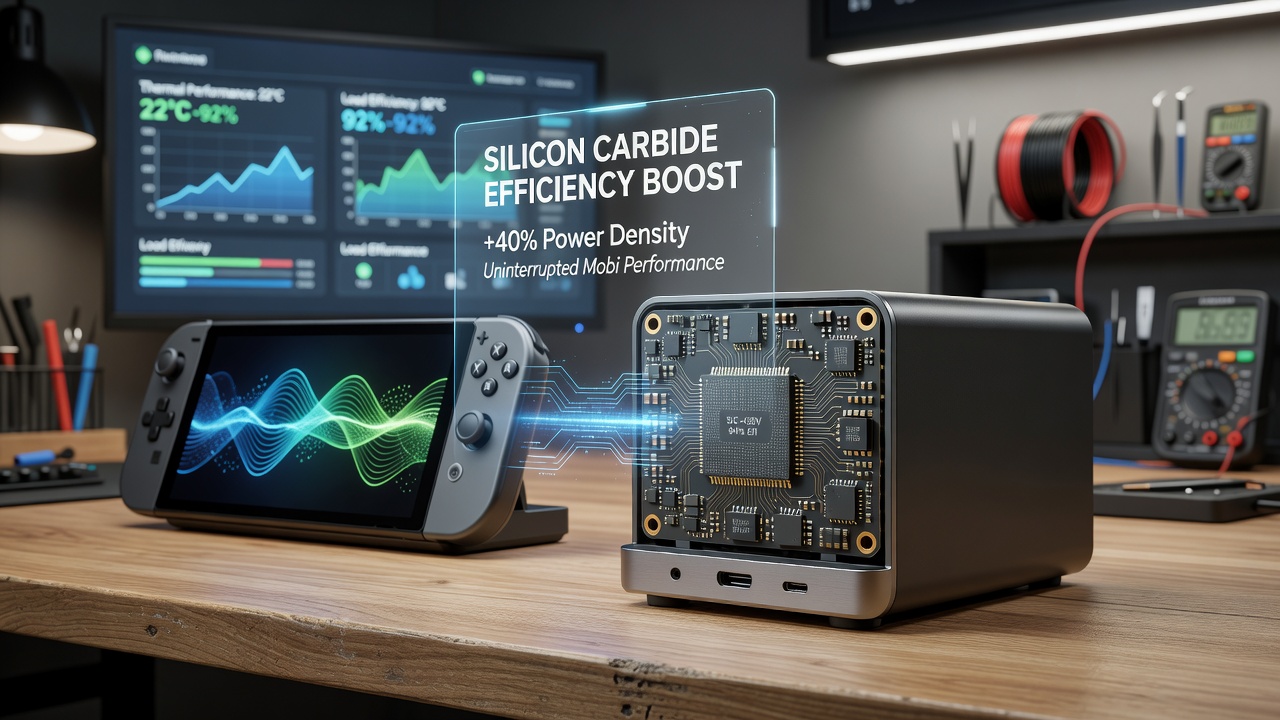
Design teams have addressed thermal management in silicon carbide chargers through advanced packaging techniques that dissipate residual heat without increasing device size, and this approach supports continuous operation during prolonged gaming events. Although silicon carbide production costs remain higher than silicon, scale-up efforts by global foundries have narrowed the gap, allowing more affordable consumer products to reach shelves. Observers note that supply chain improvements in regions like the United States and Asia have accelerated availability for gaming accessory lines.
Compatibility testing ensures these chargers interface correctly with existing console power management systems, and regulatory bodies such as those in the European Union have updated efficiency standards that favor silicon carbide implementations. Manufacturers incorporate protective circuitry to handle transient loads common in gaming scenarios, which prevents overcurrent events from interrupting play. Research papers from university labs detail how gate driver optimizations further enhance the performance of silicon carbide transistors in these compact adapters.
Future Developments in Portable Power Solutions
Continued refinement of silicon carbide fabrication processes points toward even smaller charger profiles that maintain or exceed current efficiency levels, and industry forecasts suggest broader integration into wireless charging pads designed for gaming setups. Collaborative projects between semiconductor firms and console developers aim to standardize power profiles that leverage these components for next-generation handhelds. Data from ongoing trials indicate potential for additional gains in energy density, which could extend marathon sessions further while reducing reliance on multiple battery packs.
Academic sources including reports from Australian research centers have examined lifecycle impacts of silicon carbide adoption in consumer electronics, and findings show lower overall energy consumption across the product lifespan compared to prior generations. These metrics support deployment in portable gaming contexts where users seek reliable performance without frequent interruptions for recharging. Component suppliers continue to release updated datasheets that guide engineers in optimizing silicon carbide layouts for minimal electromagnetic interference during high-speed data and power transfer.
Conclusion
Silicon carbide components have established a measurable role in elevating charger performance for portable consoles, with documented efficiency benefits supporting longer gaming sessions under varied conditions. Performance data and integration examples demonstrate how these materials address power conversion demands in compact formats, and ongoing research continues to refine their application across the gaming accessory market. As adoption expands through 2026 and beyond, the technology provides a foundation for sustained mobile play without the constraints of earlier silicon-based limitations.