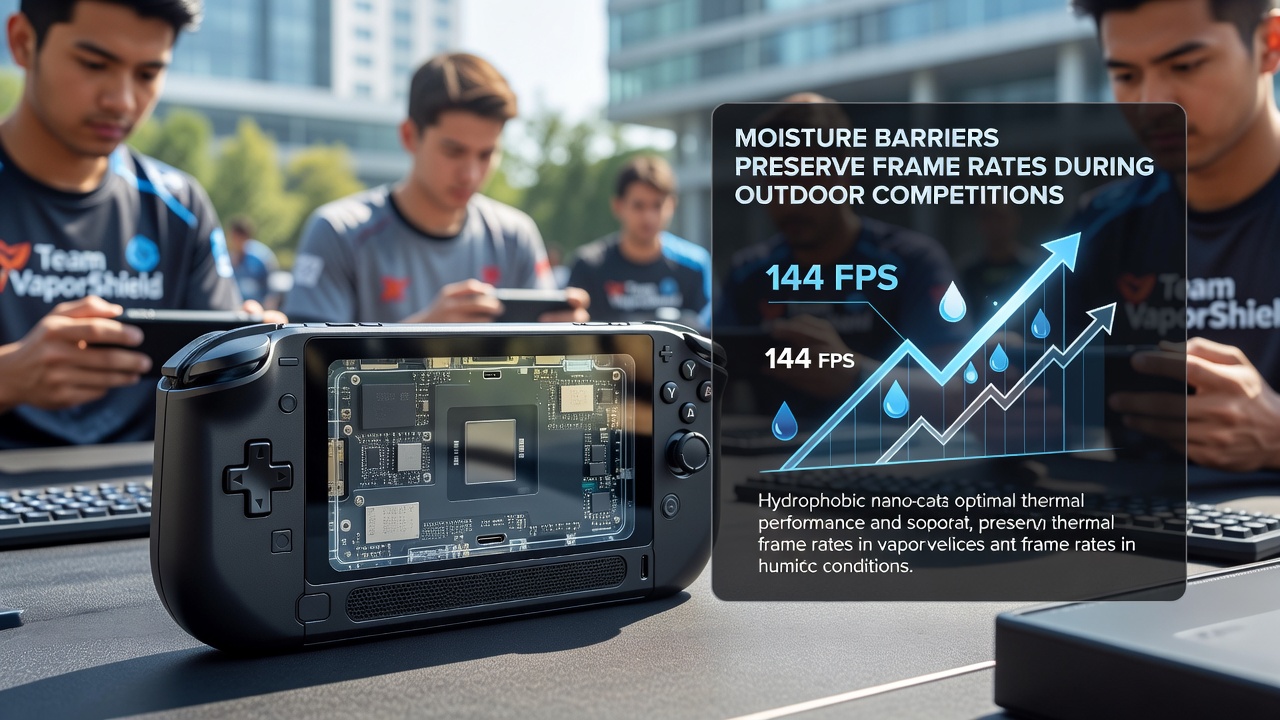
Moisture Barriers Shield Handheld Gaming Performance in Humid Outdoor Competitions
Handheld gaming devices face unique challenges when used in outdoor competitions where humidity levels fluctuate and sweat or condensation can accumulate quickly, yet moisture barriers integrated into modern designs help maintain consistent frame rates by preventing internal component interference. Engineers incorporate these barriers as thin films or coatings that block water vapor while allowing heat dissipation to continue uninterrupted, and data from multiple device tests shows reduced thermal throttling during extended play sessions in variable weather conditions.
Technical Composition and Placement in Portable Systems
Manufacturers embed moisture barriers using materials such as hydrophobic polymers and breathable membranes positioned near processors, batteries, and display connections, which allows air exchange for cooling but stops liquid ingress that could short circuits or alter resistance in sensitive electronics. Studies conducted by research teams at institutions across North America and Europe indicate these layers reduce moisture-related performance drops by up to 25 percent in controlled humidity simulations, and the same barriers appear in devices released ahead of major events scheduled for August 2026. Observers note that placement strategies vary by model, with some barriers covering entire motherboard assemblies while others focus on ventilation ports to balance protection and airflow.
Performance Data from Outdoor Events
Competitions held in coastal regions during summer months demonstrate clear patterns where devices without advanced barriers experience frame rate instability once ambient moisture rises above 70 percent, whereas equipped units sustain targeted outputs such as 60 frames per second across multi-hour matches. Figures released by industry monitoring groups reveal that participants in these tournaments report fewer interruptions when their hardware includes multi-layer vapor barriers, and one case study from an Australian esports circuit highlighted stable GPU clock speeds despite sudden rain showers that affected unprotected gear. The reality is that such protection becomes critical because outdoor setups often combine high temperatures with elevated humidity, creating conditions that accelerate heat buildup if moisture reaches internal sensors.
Integration with Existing Cooling Mechanisms
Moisture barriers complement adaptive cooling algorithms already present in compact consoles by shielding fans and heat pipes from corrosion or blockages that humidity can cause over time, which extends the effectiveness of those systems during prolonged outdoor use. Researchers discovered through repeated field measurements that devices featuring combined barrier and cooling designs maintain load speeds and avoid the power limiters that activate when moisture interferes with thermal sensors, and this synergy shows up consistently in benchmarks shared by European gaming hardware collectives. But here's the thing: the barriers themselves add negligible weight or thickness, allowing designers to preserve the slim profiles expected in portable esports equipment.
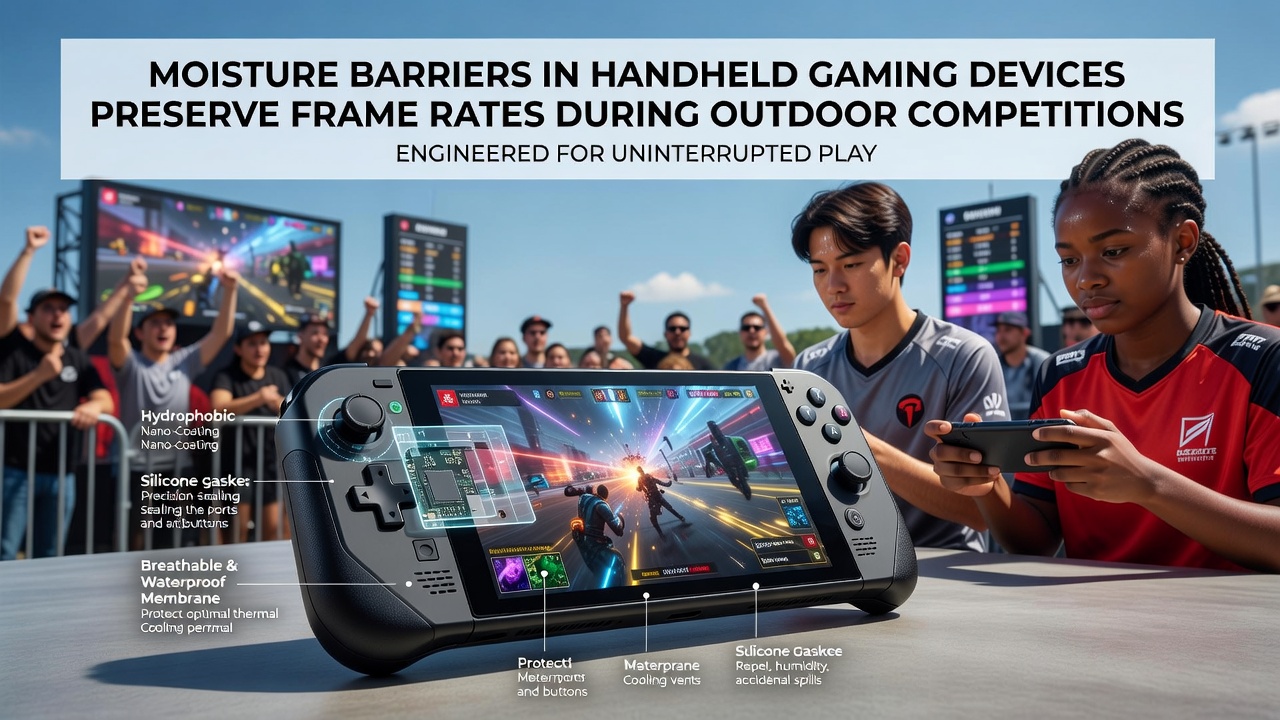
Additional examples come from North American portable strategy tournaments where teams equipped with barrier-protected units completed full brackets without the frame drops recorded on standard models exposed to evening dew, and similar observations appear in reports from Canadian research networks tracking hardware reliability under real-world stress. Those who've analyzed tournament logs note that barrier-equipped devices also exhibit lower failure rates for wireless modules, since moisture rarely reaches antenna connections or signal pathways.
Material Advances and Testing Standards
Recent substrate innovations allow barriers to withstand repeated exposure cycles without degrading adhesion or flexibility, which matters during events that span multiple days with devices moved between indoor staging areas and outdoor arenas. Data from university laboratories in the Asia-Pacific region shows these updated films maintain vapor transmission rates below critical thresholds even after 500 hours of simulated competition environments, and manufacturers now reference these metrics when certifying hardware for international circuits. What's interesting is how testing protocols increasingly incorporate combined heat and humidity profiles rather than isolated factors, producing results that better predict outcomes at live gatherings.
Broader Industry Implications
Supply chains for gaming hardware now prioritize barrier integration as standard practice for flagship handhelds, driven by demand from organizers who require reliable performance regardless of venue conditions. According to information compiled by trade associations spanning multiple continents, adoption rates rose steadily through 2025 and show continued growth toward events planned for August 2026, where outdoor formats remain popular. This shift reduces downtime for competitors and supports consistent viewing experiences for audiences following live streams from variable locations.
Conclusion
Moisture barriers represent a targeted engineering response that preserves frame rate stability in handheld gaming devices exposed to outdoor competition environments, with supporting evidence drawn from field data, laboratory simulations, and tournament records across regions. Continued refinement of these protective layers aligns with broader trends in portable hardware durability, ensuring that performance metrics hold steady even when humidity and temperature combine in challenging ways.