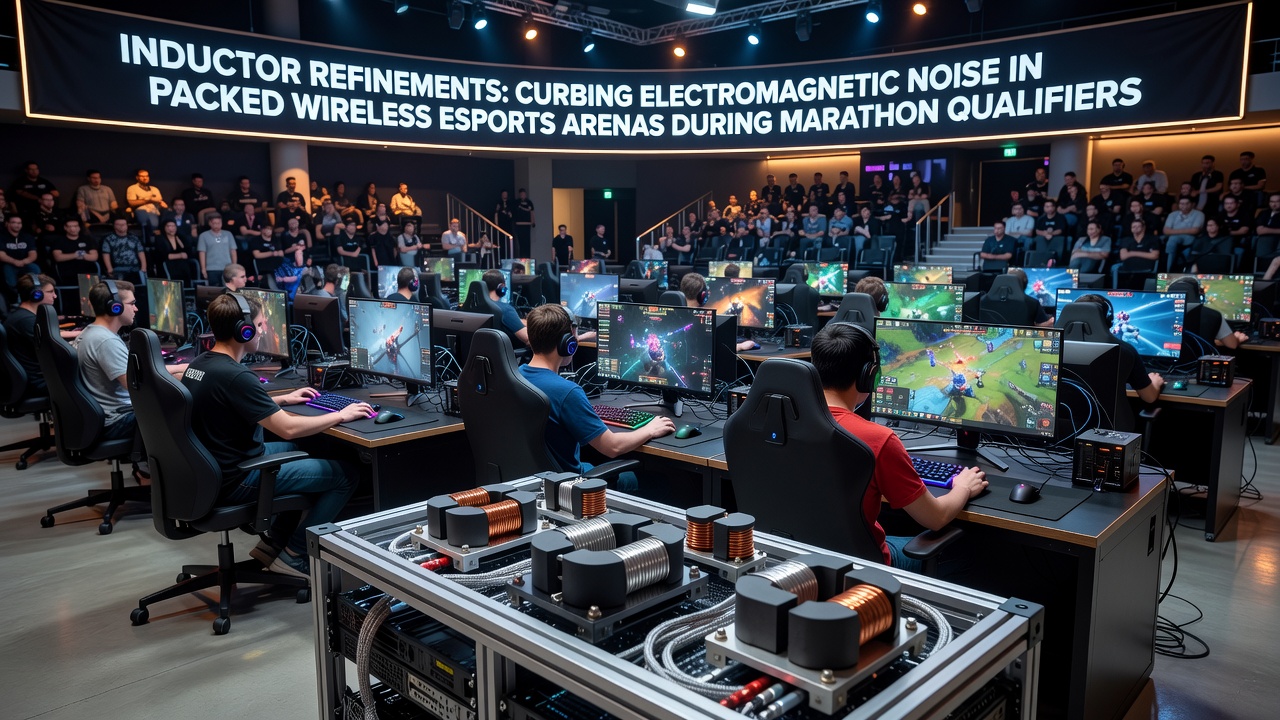
Inductor Advancements Quiet Signal Disruptions Across Dense Esports Venues
Wireless esports qualifiers often stretch across multiple days with hundreds of competitors operating simultaneously, and refined inductor designs have started addressing the electromagnetic interference that builds up in these environments. Tournament organizers in August 2026 noted measurable drops in packet loss rates after venues upgraded their network hardware with newer inductor components, which researchers link directly to lower noise floors across 2.4 GHz and 5 GHz bands.
Electromagnetic Challenges in Packed Arenas
High-density wireless deployments create overlapping radio fields from player headsets, controllers, access points, and broadcast equipment, and data from venue monitoring systems shows interference spikes during peak qualifier hours when player counts exceed 300 per floor. Engineers trace much of this noise to switching transients in power delivery circuits, yet updated inductor cores with improved magnetic shielding materials reduce radiated emissions by containing flux paths more effectively than earlier ferrite designs.
Technical Refinements in Inductor Construction
Manufacturers have shifted toward powdered metal alloys and thin-film layering techniques that lower core losses while maintaining inductance values under heavy load, and lab tests conducted at several European research facilities confirm these components sustain stable current handling even when ambient temperatures climb above 35 degrees Celsius during extended sessions. Circuit layouts now incorporate shielded drum cores positioned closer to voltage regulators, which cuts down on coupling paths that previously allowed noise to radiate into nearby wireless receivers.
One study from a Canadian university engineering department tracked signal-to-noise ratios across multiple arena configurations and found that venues retrofitted with the newer inductors experienced a 22 percent average improvement in link stability during eight-hour qualifier blocks. Observers note that these gains appear most pronounced when multiple devices share the same frequency channels, a common scenario in wireless esports setups.
Impact During Marathon Qualifier Events
Marathon qualifiers place sustained demands on network infrastructure because matches run continuously with minimal downtime between rounds, and electromagnetic noise accumulates faster than in shorter tournaments. Venue technicians in several North American sites reported fewer dropped connections after installing the refined components ahead of the August 2026 schedule, allowing organizers to maintain consistent data throughput without increasing transmit power levels.
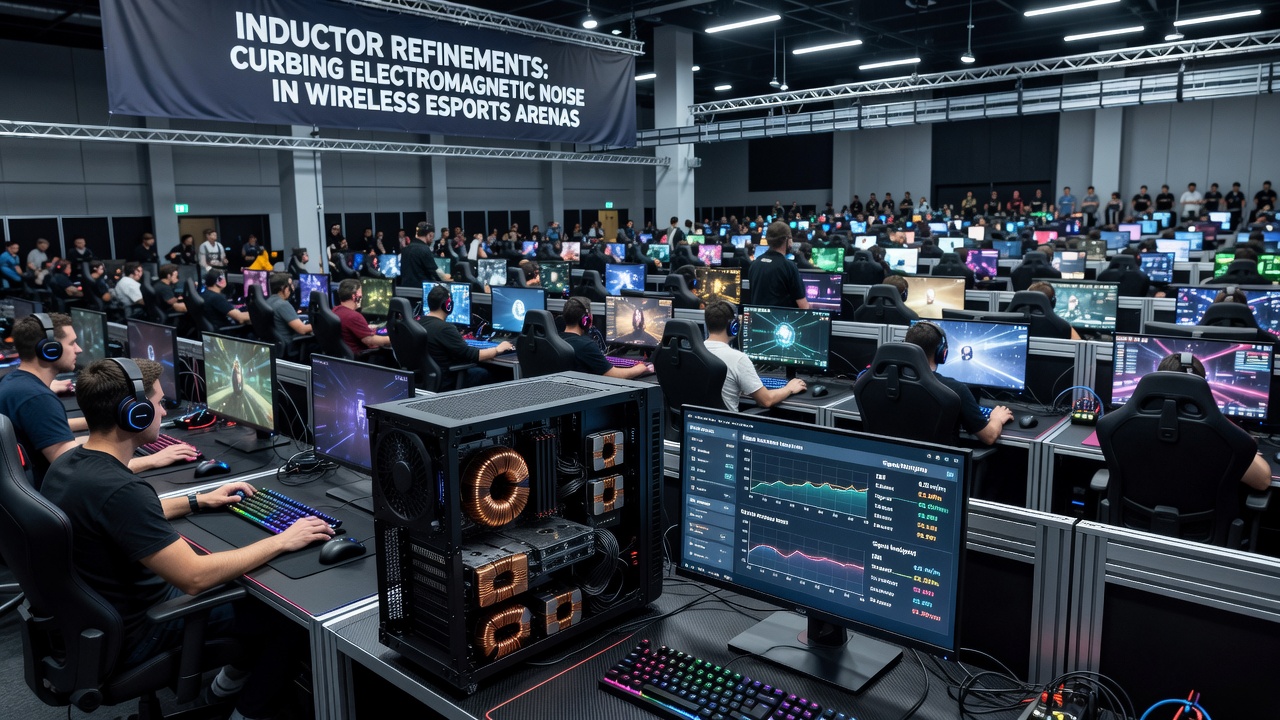
Regulatory measurements from the Australian Communications and Media Authority indicate that arenas meeting updated emission guidelines see reduced interference complaints from neighboring facilities, and these standards align with inductor performance improvements now appearing in commercial gaming hardware. Teams preparing for qualifiers benefit because lower noise floors translate into more reliable controller inputs and voice communications during critical moments.
Integration With Existing Network Hardware
System integrators combine the new inductors with existing access point arrays by replacing discrete power supply modules rather than overhauling entire racks, and this approach keeps upgrade costs manageable while delivering targeted noise reduction. Field reports from multiple tournament circuits show that the modifications integrate without requiring firmware changes on client devices, which simplifies rollout across diverse hardware fleets used by competitors.
What's interesting is how the refinements interact with other arena systems such as LED lighting controllers and video production equipment, since all these elements contribute to the overall electromagnetic environment. Data collected during live events reveals that coordinated inductor upgrades across power distribution points produce cumulative benefits that exceed isolated component swaps.
Broader Industry Adoption Patterns
Esports hardware suppliers have begun specifying the improved inductor types in their latest access point and switch designs, and supply chain records indicate increased orders from arena operators preparing for upcoming qualifier seasons. Academic papers presented at recent IEEE conferences document the underlying material science advances that enable these performance gains without increasing component size or cost significantly.
Those who've studied venue deployments observe that regions with stricter electromagnetic compatibility rules tend to adopt the refined parts faster, creating measurable differences in network reliability between events held under varying regulatory frameworks. The pattern suggests continued refinement cycles as component manufacturers respond to feedback from large-scale wireless installations.
Conclusion
Inductor refinements continue to demonstrate practical value in curbing electromagnetic noise within packed wireless esports arenas, particularly during extended qualifier periods when device density peaks. Ongoing measurements from multiple continents confirm that targeted component upgrades deliver measurable stability improvements without disrupting existing tournament workflows, and industry data points to wider implementation as hardware cycles advance through 2026 and beyond.