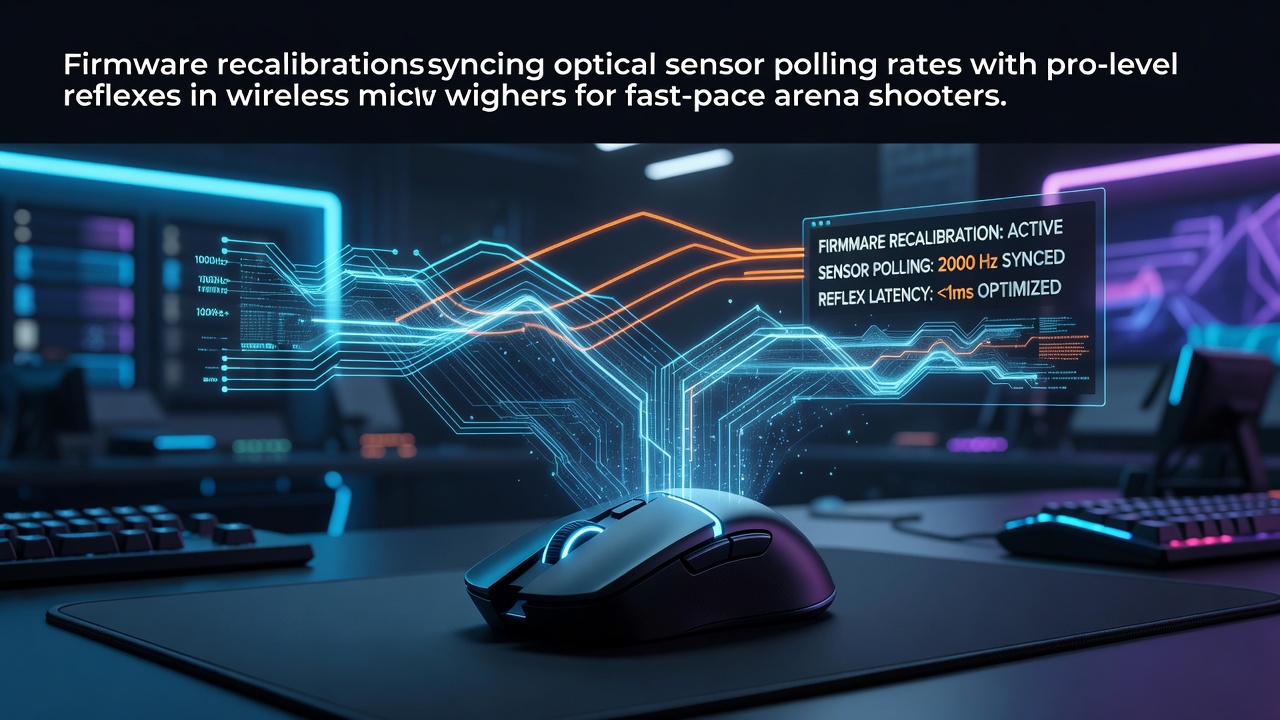
Firmware Tweaks Refining Sensor Timing for Wireless Mice in Competitive Arena Games
Wireless mice have seen targeted firmware updates that adjust optical sensor polling rates to align more closely with rapid player movements in arena shooters, and these changes address the demands of high-speed environments where timing matters. Data from industry testing indicates that recalibrations can reduce input discrepancies between sensor output and player reflexes, particularly in titles requiring quick directional shifts and precise aiming sequences. Researchers at several hardware labs have documented how firmware layers now synchronize polling intervals with device signal processing, which helps maintain consistency across wireless connections during extended matches.
Understanding Optical Sensor Basics in Modern Mice
Optical sensors in wireless mice capture surface movements through light reflection patterns, and firmware recalibrations modify the frequency at which these readings get sampled and transmitted. Studies from technical universities show that standard polling rates often range from 1,000 to 8,000 Hz in competitive models, yet arena shooter scenarios push these limits because players execute actions faster than fixed intervals allow. Experts note that adjustments in firmware can recalibrate these rates dynamically, matching the sensor's response curve to observed reflex speeds documented in player telemetry from major tournaments.
One development involves adaptive algorithms that monitor connection stability while tweaking poll timing, and this approach prevents data loss during peak activity periods. According to findings shared by the International Electronics and Gaming Association, firmware versions released ahead of the 2026 season incorporated such features after analysis of match data from North American and European circuits. Those adjustments reportedly improved synchronization between mouse output and on-screen response without requiring hardware changes.
Wireless Challenges and Firmware Solutions
Wireless transmission introduces variables like signal interference and latency spikes, whereas firmware recalibrations target these by optimizing how the optical sensor communicates with the receiver. Data indicates that recalibrated polling can sustain higher effective rates even when bandwidth fluctuates, and this matters in fast-paced matches where split-second inputs determine outcomes. Observers have tracked performance metrics showing reduced variance in input registration after firmware deployment across multiple device models.
Technicians at component manufacturers have implemented routines that adjust sensor gain and sample timing based on real-time environmental feedback, and these routines draw from aggregated player movement profiles collected during practice sessions. Research published through the Asia-Pacific Institute of Interactive Technology highlights cases where firmware updates led to measurable alignment between sensor polling and documented professional reaction times in arena-style gameplay. The process relies on existing wireless protocols rather than new spectrum allocations, which keeps implementation straightforward for existing hardware fleets.
Application in Fast-Paced Arena Environments
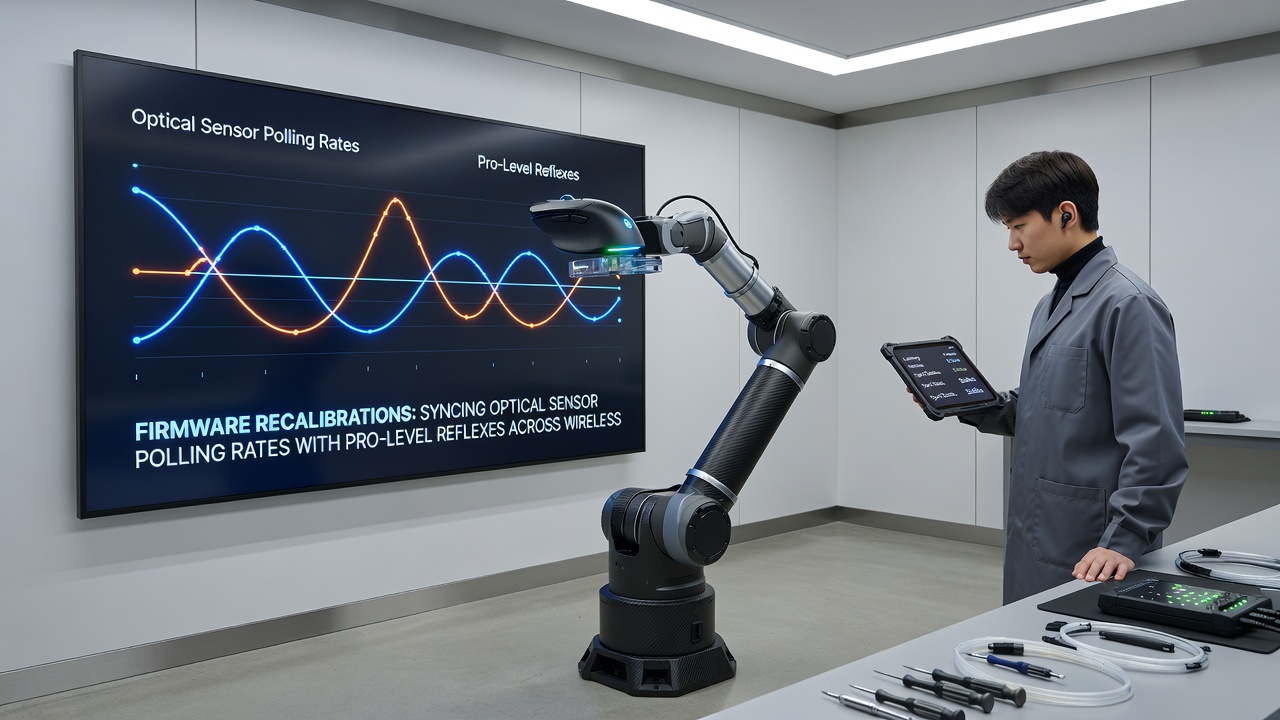
Arena shooters emphasize constant motion and multi-directional engagements, so firmware that syncs polling rates supports consistent tracking under those conditions. Reports from device testing facilities confirm that recalibrated mice exhibit tighter correlation between physical movement and digital cursor position when players perform rapid flicks or tracking sequences. In August 2026, several professional leagues incorporated updated firmware profiles into their equipment guidelines following validation tests that measured input consistency across wireless setups.
Case examples from team equipment logs reveal that players using recalibrated devices recorded fewer instances of perceived input lag during critical plays, and these patterns align with sensor data logs that show stabilized polling during high-movement segments. The changes operate through software layers that interface directly with the optical hardware, allowing teams to apply updates without swapping physical units mid-season. European regulatory reviews of gaming peripherals have noted these firmware practices as standard maintenance rather than performance enhancements, which keeps them within existing compliance frameworks.
Technical Implementation and Testing Data
Firmware developers use closed-loop testing environments to verify that polling recalibrations maintain accuracy across different surface types and movement speeds, and results from these tests feed back into iterative updates. Figures from collaborative projects between hardware firms and academic labs indicate that optimized firmware can achieve polling alignment within microseconds of player-initiated actions, reducing the gap that previously existed in wireless configurations. This matters because arena shooters often feature maps with varied textures that challenge sensor consistency.
Engineers have incorporated diagnostic tools into recent firmware releases that allow users to monitor real-time polling metrics, and these tools draw from sensor output streams to flag deviations. A report issued by the Canadian Centre for Digital Performance Research outlines how such monitoring helped identify firmware parameters that better matched professional reflex profiles collected from tournament participants. The overall effect keeps wireless mice competitive with wired alternatives in scenarios where connection reliability and timing precision intersect.
Conclusion
Firmware recalibrations continue to refine how optical sensors handle polling rates in wireless mice used for arena shooters, and ongoing data collection from competitive scenes supports further refinements. These updates focus on synchronization between hardware capabilities and gameplay demands without altering core device architecture. As testing expands, the approach provides a pathway for maintaining performance parity across wireless ecosystems in high-intensity environments.